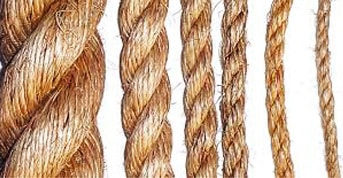
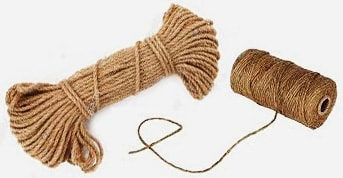
Coco coir, also known as coco peat or coconut husk fiber, is one of the most versatile and eco-friendly natural materials available. At Madi Decor, we source sustainable coco coir to create gardening substrates, soil amendments, grow bags, packaging, and landscaping solutions. Strong, biodegradable, and renewable, coco coir is a perfect alternative to plastics and peat moss.
Why Choose Coco Coir
Retains moisture while still allowing excellent aeration
Helps prevent root rot with natural drainage
Neutral pH and safe for most plants
Long-lasting structure that resists compaction
100% biodegradable and compostable
Made from a renewable waste product of coconuts
Top Uses of Coco Coir
Container Gardening & Pots
Coir improves drainage and aeration in pots while holding moisture, creating the ideal root environment for houseplants, vegetables, and flowers.
Seedlings & Propagation
Fine coco coir makes an excellent medium for germinating seeds and rooting cuttings. It holds humidity around delicate roots while reducing fungal issues.
Hydroponic & Soilless Systems
Coco coir is one of the most popular growing media for hydroponics. Paired with perlite or vermiculite, it provides a stable, nutrient-holding base for soilless growing.
Mulch & Ground Cover
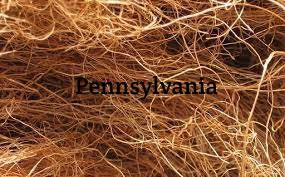
Coco chips and fibers can be spread on the soil surface to suppress weeds, conserve water, and regulate soil temperature naturally.
Soil Amendment & Conditioning
Blending coir into clay soils makes them lighter, while sandy soils benefit from increased water retention. Over time, it breaks down and enriches soil with organic matter.
Erosion Control & Landscaping
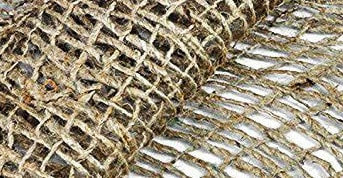
Coir mats and nets are widely used for slope stabilization, riverbanks, and landscaping projects, holding soil in place while vegetation takes root.
Eco Packaging & Craft Applications
From natural mats and brushes to sustainable packaging materials, coir fibers are durable and biodegradable, making them ideal for functional and decorative uses.
How to Prepare Coco Coir
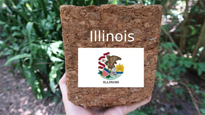
Compressed bricks must be soaked in clean water to expand before use. Drain off excess water, and for sensitive plants, use pre-washed or buffered coir to ensure low salt levels.
Mix Ratios & Growing Tips
Potting mixes: 50–70% coir combined with perlite or compost
Soil conditioning: 20–40% coir blended into existing soil
Hydroponics: rinse thoroughly and feed with a complete nutrient solution
Frequently Asked Questions
Do I need to rinse coco coir before use?
Yes, unless you purchase pre-washed or buffered coir, rinsing helps remove excess salts.
Can coco coir replace peat moss?
Yes. It is a sustainable, renewable alternative that performs as well or better in most growing situations.
How long does coco coir last?
Depending on use, coir maintains structure for 3–5 years before breaking down into the soil.
Shop Coco Coir Products
Discover our range of eco-friendly coco coir products designed for gardeners, landscapers, and sustainable businesses.