


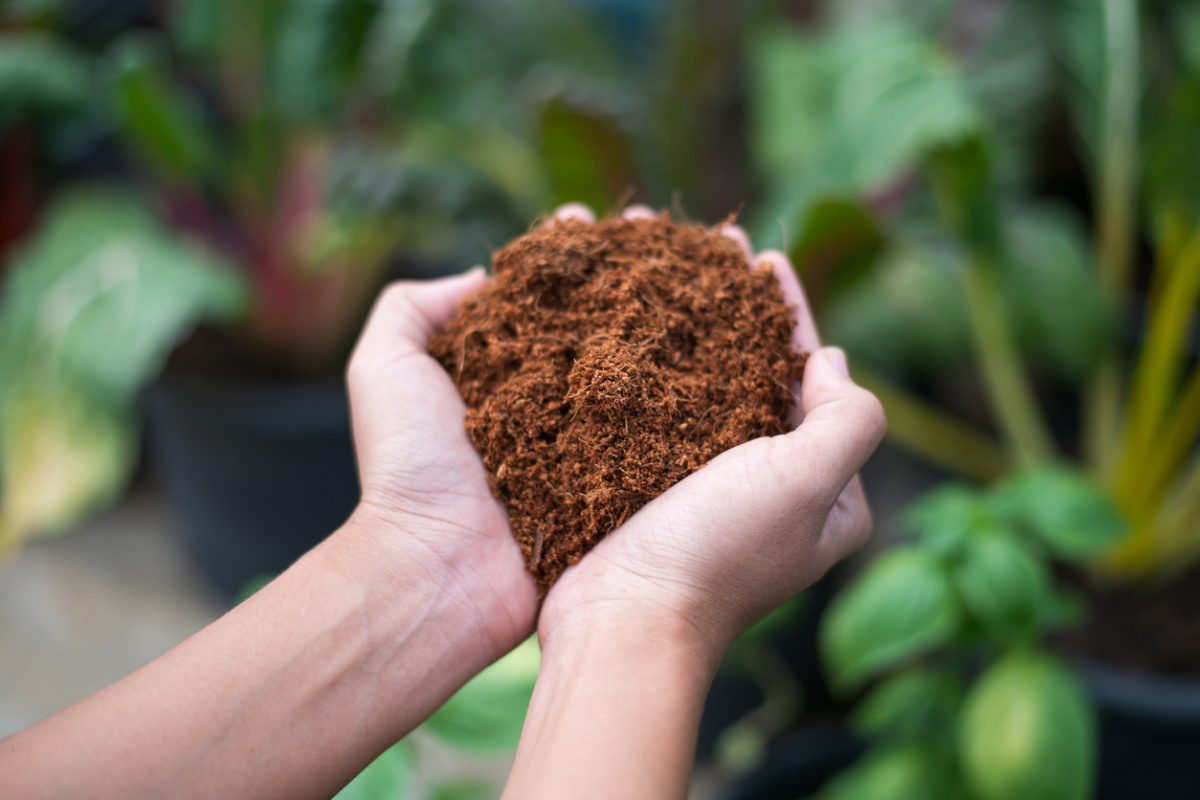
Many gardeners and plant lovers have wondered about the best growing material for their plants. With the rising interest in eco-friendly products and sustainable gardening, coco coir—made from coconut husk fibers—is fast becoming a popular alternative to traditional soil. The question is: Is coco coir better than soil? The pros and cons, as well as the ideal situation in which to use them, will serve as your guide as you decide which is best for your garden or indoor plants.
Is Coco Coir Better than Soil?
To answer this question, it would be beneficial to first examine what coco coir is. Coco coir, also known as coconut fiber or coco peat, is derived from the coconut husk, located between the outer shell and the coconut seed. It is processed, cleaned, and compressed into bricks or loose fibers. Gardeners use it in hydroponic systems, seed starting, and container gardening.
The Benefits of Coco Coir
Excellent Water Retention
Coco coir is known for its excellent ability to retain water. Specifically, it is able to absorb 10 times its weight in water. This feature makes it a great choice for plants that require consistent moisture, especially in dry or hot climates.
Good Drainage and Aeration
Compared to compacted soil, coco coir provides excellent aeration for plant roots. This means that coco coir can help prevent root rot and promote healthy growth.
pH Neutral
Coco coir typically has a more balanced pH level than soil. It is neither too acidic nor too alkaline, which makes it easier for plants to absorb needed nutrients without the need for additional chemicals or treatments.
Sustainable and Renewable
Coco coir is also an eco-friendly alternative to peat moss. Compared to peat moss, coconut husks are a byproduct of an abundant agricultural crop, making them a more renewable resource.
Resistant to Pests and Diseases
If you are worried about soil-borne pests and fungal infections, you will be relieved to know that coco coir is naturally resistant to many of them, so the likelihood of infestation is reduced.
The Drawbacks of Coco Coir
Lacks Nutrients
Compared to garden soil, coco coir may lack the essential nutrients your plants require. This means that you need to support or boost plant growth with the help of fertilizers or nutrient solutions.
Salt Content
Make sure that you get high-quality coir because some low-quality coir products contain high levels of salt, which is harmful to sensitive plants. You can avoid this problem by ensuring that the coir is washed and buffered before use.
Cost and Availability
Using coco coir can be more costly than simply using traditional soil, especially for large-scale gardening projects. Additionally, coco coir may not always be readily accessible in remote or rural areas.
Using Soil
Time-tested by nature, soil is nature’s natural growing material. It contains minerals, organic matter, microorganisms, and nutrients that are necessary for plants to grow and thrive. It can be relatively inexpensive, widely available, and can be enhanced with the use of compost, manure, or mulch.
Nutrient-Rich
Quality garden soil no longer needs synthetic fertilizers. They already contain the essential nutrients your plants need.
Ecosystem Support
The soil contains a diverse microbial community. This community supports plant health and nutrient cycling.
Self-Sustaining
Properly managed soil can regenerate and be improved over time, especially with the addition of organic matter.
Disadvantages of Soil
Inconsistent Quality
Some soil can be too sandy, too clay-heavy, or too compacted. These problems can lead to problems in plant growth.
Poor Drainage or Aeration
Some soil types retain too much water. Others offer little air circulation to the roots.
Pets and Diseases
Soil can sometimes contain harmful pathogens, weeds, or insects that may be harmful to your plants.
Coco Coir vs. Soil: Which One Is Better?
The answer depends on your needs and goals.
- Indoor Plants and Hydroponics: The better choice is coco coir due to its cleanliness, excellent drainage, and pest resistance.
- Outdoor Gardening and Sustainability: Soil is better, especially when it is managed well.
- Seed Starting: The fine texture of coco coir and its ability to retain moisture without becoming soggy make it an ideal choice for this purpose.
Coco Coir and soil both have their advantages and disadvantages. Coco coir is a sustainable, clean, and well-draining medium for container gardens and hydroponics; however, it lacks the essential nutrients that plants require. On the other hand, soil is self-sustaining and contains the necessary nutrients your plants need, but it may also harbor pests and require more management on the part of the gardener.
So, which one is better? It depends on the plants you want to grow, the environment, and your gardening style. You may also find it ideal to use a mix of both. Explore our website today to see the wide range of coco coir products we offer.
If you require a bulk supply of coco coir products, please contact us today.