


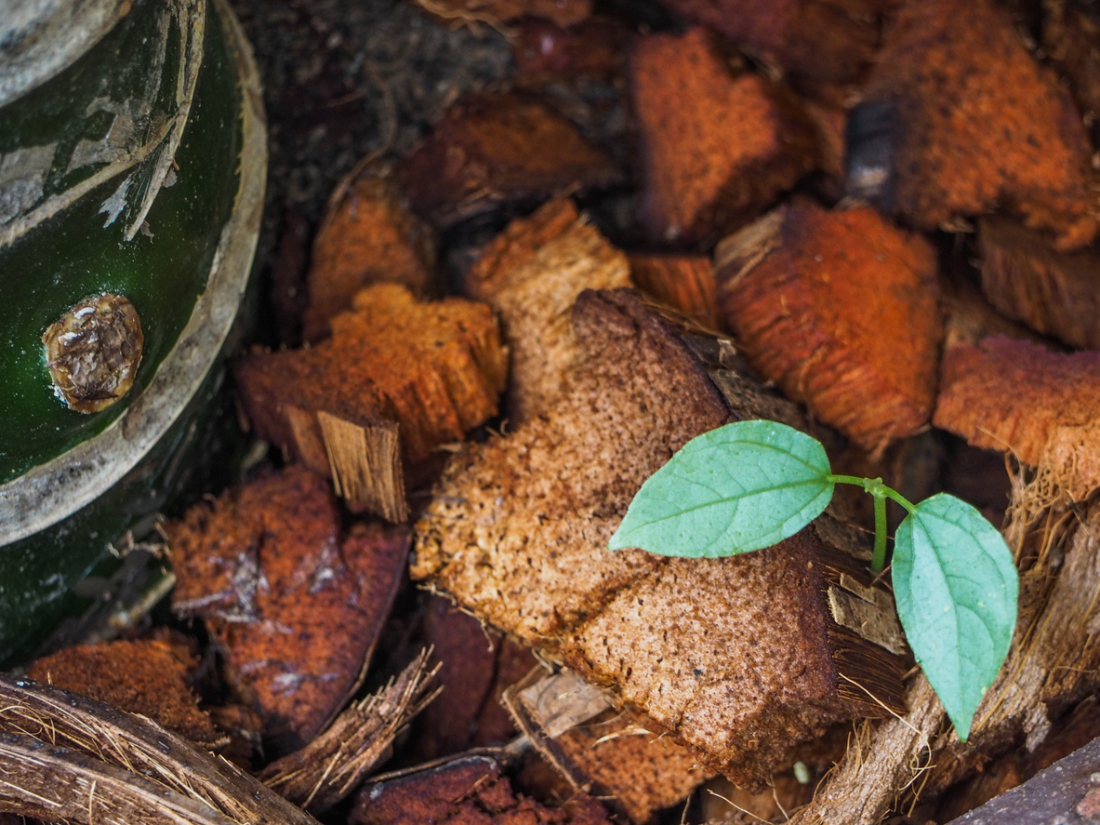
The interest in sustainable gardening is on the rise. One of the popular go-to eco-friendly products used as a growing medium is cocopeat. Otherwise known as coir pith or coir dust, cocopeat is a natural and eco-friendly material that retains moisture well, enhances soil aeration, and promotes healthy root development. It’s lightweight, biodegradable, and is a perfect environment for a wide range of plants. If you have an interest in sustainable gardening, you might also be wondering which plants thrive best in cocopeat planters.
Which Plants Grow Best in Cocopeat Planters?
Cocopeat is pH-neutral and can be used in combination with compost or perlite to create customized environments for various plants.
Leafy Greens
Cocopeat planters are ideal for leafy greens like lettuce, spinach, kale, arugula, and Swiss chard.
These plants need consistent moisture. Cocopeat’s excellent ability to retain water helps maintain optimal hydration levels for these plants. In addition, leafy greens are typically shallow-rooted, and with the soft, fine structure of cocopeat, they are able to support easy root expansion and quick growth.
To boost nutrients, you may consider combining cocopeat with compost or vermicompost.
Herbs
Herbs like basil, thyme, parsley, mint, and coriander are among the best plants to grow in coco-peat containers, especially for indoor or balcony gardens.
These herbs thrive in the light and breathable nature of cocopeat, benefiting from its excellent drainage. As a bonus, cocopeat supports healthy growth, making it more likely that herbs have rich flavor and vibrant foliage.
Tomatoes and Peppers
Fruiting plants usually require more nutrients. However, for plants like tomatoes and peppers, they adapt well to cocopeat planters, especially when cocopeat is mixed with compost, vermicompost, or organic fertilizer. Cherry tomatoes and capsicum varieties are especially well-suited for cocopeat.
It will be good to use a cage or a stake for support. Use liquid fertilizer on the plants as a supplement to compensate for the low nutrient content of cocopeat.
Strawberries
Thanks to cocopeat’s ability to hold moisture and reduce the risk of soil-borne diseases, strawberries grow well in cocopeat. The porous nature of cocopeat prevents waterlogging, a common issue that affects strawberries that are grown in traditional soil. To save space and protect the strawberries from pests and ground rot, hanging cocopeat planters is a good option.
Succulents and Cacti
Cocopeat can also be used for growing succulents and cacti. Just mix the cocopeat with sand and perlite to improve drainage. Although succulents and cacti prefer dry environments, well-aerated cocopeat mix allows the roots to breathe without holding excess moisture.
Flowering Plants
Many flowering plants can thrive in cocopeat planters such as petunias, marigolds, zinnias, geraniums, daisies, orchids, and gerberas. The aerated texture and consistent moisture levels provided by cocopeat result in vibrant, healthy flowers.
Tips for Using Cocopeat Planters Successfully
- Make sure that the cocopeat is properly hydrated before use. Cocopeat usually comes in blocks or bricks. You need to soak it in water for a few hours until it expands and becomes fluffy. Be sure to drain excess water to avoid soggy conditions.
- Mix for nutrient boost. Cocopeat lacks the nutrients that plants need. It would be beneficial to mix it with compost, vermicompost, or organic fertilizers.
- Ensure proper drainage. Excess water must be properly drained to prevent root rot. Ensure that you use pots or planters with drainage holes.
- Water wisely. Cocopeat stays moist longer than the soil. You need to check moisture levels before watering again. You can do this by sticking your finger an inch deep into the cocopeat. If it feels a little damp, water the next day.
- Reuse and refresh. You can reuse cocopeat for up to 2-3 growing cycles. It just needs to be thoroughly washed and dried under the sun to remove any salt buildup or pathogens.
Help Your Garden Flourish with Cocopeat
Cocopeat is not only a sustainable gardening tool; it is also a versatile one. It is also a game-changer for plant enthusiasts seeking to enhance water management, root health, and plant longevity. Whatever you are thinking of planting, whether it’s leafy greens, herbs, fruits, or flowers, cocopeat planters provide a reliable, organic, and sustainable eco-friendly foundation.
If you are serious about sustainable gardening and want to take advantage of everything cocopeat has to offer, contact us today to discuss how our cocopeat products can help you elevate your garden