


Why Natural Fiber Packaging Inserts Are Replacing Traditional Materials in Packaging Design?
Business owners, packaging managers, sustainability coordinators and eco-conscious entrepreneurs are ditching plastic foam, bubble wrap and even paper shreds for sustainable natural fiber packaging inserts of jute or coir – and for good reason.
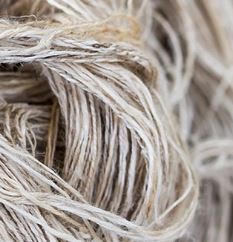
Coir, made from coconut husks, and jute, made from flowering plants in the genus Corchorus offers the same protective cushioning as traditional materials while being completely biodegradable and renewable.
What is The Future of Sustainable Packaging Inserts ?
This blog is meant for those who want to make the switch to sustainable natural fiber packaging inserts without sacrificing product as well as planet protection.
Let’s walk through the basics of natural fibers like jute and coir as eco-friendly packaging insert solutions, and understand why it works so well for protecting products during transit.
Why Natural Fiber Inserts Are Ideal for Protecting Fragile Items?
Natural fibers possess remarkable shock-absorbing qualities that make them exceptional protective packaging material. The natural structure of fibers create a springy, resilient cushion that distributes impact forces evenly across packaged items.
How Natural Fiber Characteristics Safeguard Delicate Products
Unlike rigid materials, jute or coir compresses under pressure and then returns to its original shape, providing consistent protection throughout shipping and handling.
The fiber’s inherent elasticity comes from its lignin content, which acts as a natural binding agent. This gives coir, jute inserts the ability to conform to irregular shapes while maintaining their protective properties.
The Natural Fiber Packaging Insert Features That Keep Products Safe
The material’s open-cell structure allows air to flow through, preventing moisture buildup that could damage sensitive electronics or delicate products. The natural roughness provides excellent grip, preventing items from shifting during transport.
This anti-slip quality eliminates the need for additional securing materials in many applications. The fibers also resist compression set, meaning they won’t permanently flatten under weight like some synthetic alternatives.
Key Benefits of Natural Fiber Packagings
How Biodegradable Packaging Reduces Environmental Impact
Natural fiber based packaging inserts decompose completely within 6-24 months under normal composting conditions, leaving behind nutrient-rich organic matter that benefits soil health.
Biodegradability Matters in Sustainable Packaging
This stark contrast to polystyrene foam, which can persist in landfills for centuries, makes jute and coir an environmentally responsible choice for forward-thinking and impactful businesses.
Reducing Waste with Naturally Biodegradable Packaging
The biodegradation process requires no special facilities or industrial composting systems. Coir and jute fibers break down naturally through microbial action, even in backyard compost bins or standard waste management systems.
From Conventional Packaging Inserts to Intelligent Design
Understanding the Decomposition Benefits of Natural Fiber Inserts
During decomposition, coir and jute release no toxic chemicals or microplastics into the environment. The organic breakdowns actually improve soil structure and water retention capacity, creating a positive environmental impact rather than pollution.
This complete lifecycle sustainability addresses growing consumer concerns about packaging waste and environmental responsibility.
Are Sustainable Natural Fiber Packaging Inserts Cost Effective?
Understanding the Total Cost of Sustainable Natural Fiber Packaging Inserts
Natural fiber as inserts offer competitive pricing compared to traditional foam inserts, especially when factoring in waste disposal costs. Many municipalities charge or soon will begin charging premium fees for polystyrene disposal.
Hidden Costs of Conventional Packaging
The material’s versatility reduces inventory complexity since only one type of insert can often accommodate multiple product sizes through its natural flexibility. This consolidation simplifies procurement processes and reduces storage requirements compared to maintaining various foam densities and shapes.
Material Costs vs. Long-Term Savings
Labor costs decrease because coir and jute fiber inserts are typically similar or lighter than equivalent synthetic protection, reducing shipping weights and handling strain on warehouse workers.
Improved Packaging Efficiency
The material’s natural anti-static properties also eliminate the need for additional protective treatments required with synthetic alternatives.
Environmental Impact Reduction Compared to Foam Inserts
Reducing Environmental Impact Across the Supply Chain
Jute and coir fiber production generates zero industrial emissions since the material comes from agricultural outputs that would otherwise be wasted, creating a truly sustainable supply chain.
This regenerative approach contrasts sharply with petroleum-based foam production, which depletes finite fossil fuel resources.
Minimizing Water Usage
Water consumption during natural fiber processing is minimal and the water can be recycled through natural filtration systems.
Foam manufacturing requires significant water usage for cooling and chemical processing, often resulting in contaminated wastewater that needs expensive treatment.
Decreased Landfill Waste and Environmental Pollution
The manufacturing process for inserts requires no chemical treatments or synthetic additives. Workers face no exposure to toxic fumes or carcinogenic compounds common in foam production facilities.
This workplace safety advantage extends the environmental benefits beyond just the end product to include h
uman health considerations throughout the supply chain.
Conclusion: The Future of Natural Fiber Packaging Inserts
Balancing Cost, Performance, and Sustainability
Natural fibers offer a game-changing solution for businesses ready to ditch traditional packaging material inserts that harm the environment.
From understanding its natural protective qualities to mastering the ongoing manufacturing techniques, tools can be developed to create packaging that keeps products safe while supporting sustainability goals.
Supporting Circular Economy and Sustainability Objectives
The key lies in proper preparation, choosing the right method of production for specific products, and maintaining quality standards using optimal environmental control mechanisms.
Key Takeaways for Businesses, Manufacturers and Brands
Making the switch to jute or coir fiber inserts doesn’t have to be overwhelming. It can start small by testing with real world performance data, focusing on finding reliable supply chain network, and storing the packaging insert materials properly to get the best results.
Customers will appreciate the eco-friendly approach, and businesses will be building a packaging system that protects both their products and the planet.
For our affordable, custom and personalized range of sustainable products, reach out to us at Madi Decor at https://www.madidecor.com or email info@madidecor.com