


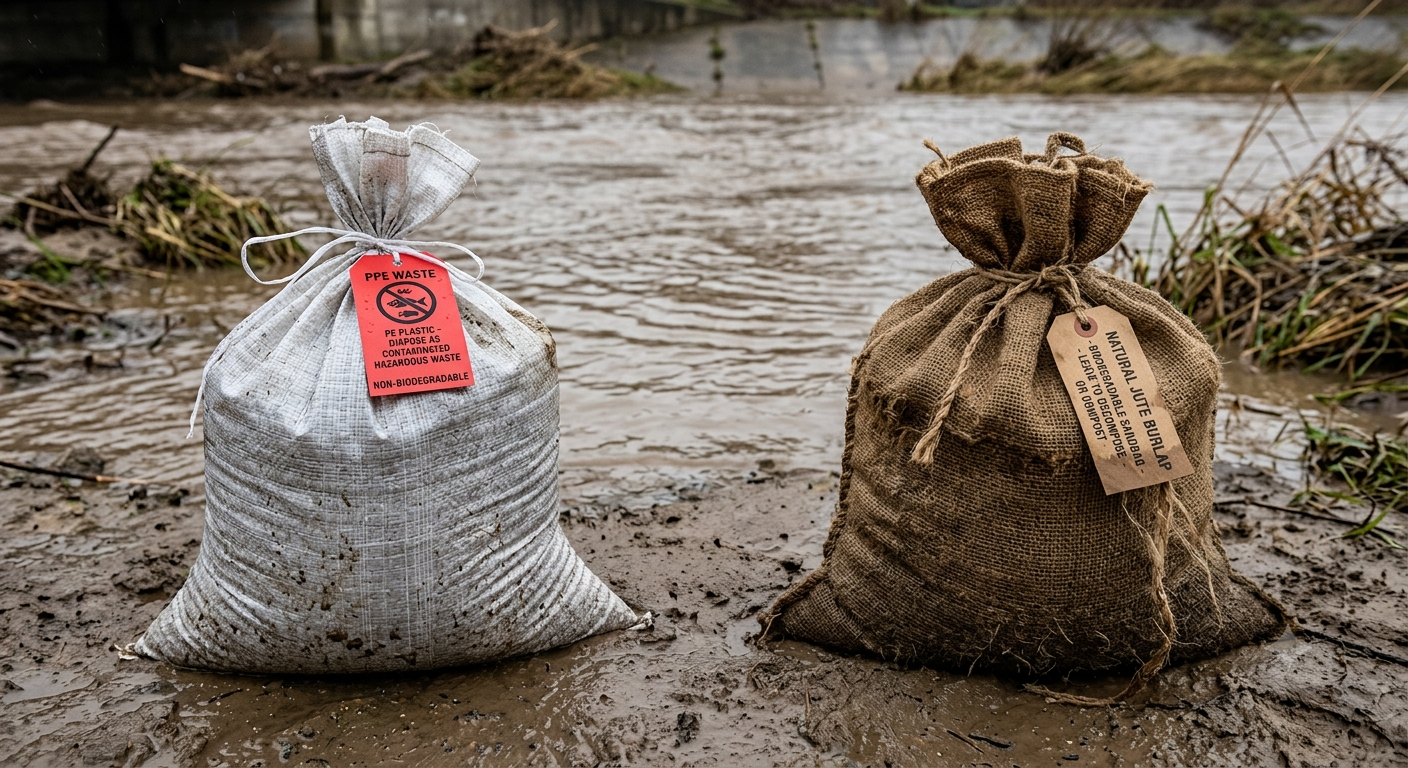
Sandbag Microplastic Contamination from Polypropylene Shredding
The environmental impact of woven synthetic sandbag used in flood control (“sandbagging”) stems from their primary material: polypropylene (PP).
All those sandbags that you see everywhere in our environment are designed for single-use or short-term emergency use. Millions of tons enter ecosystems where UV radiation, mechanical friction, and water currents break them down into non-biodegradable microplastics.
Operational Challenges and Environmental Impact
Low Recovery Rates: Over 90% of deployed sandbags are contaminated with dirt, sewage, or toxic floodwaters, making them ineligible for municipal recycling and leading directly to landfills or waterway runoff.
Disintegration in Floods: Standard flood sandbags are constructed from woven polypropylene threads. Following extreme flood events, millions of abandoned sandbags decompose under UV sunlight, weather and river friction, releasing synthetic strands directly into rivers and wetlands.
Hazardous Waste Risks from Chemical-Laden Floodwaters
River Transport and Marine Pollution: Rivers are the primary pathway for land-based plastic waste—around 1,000 major rivers transport roughly 80% of river-borne plastics (including shredded sandbags and washed-away PPE) into coastal waters.
Post-Disaster Disposal and Landfill Burden
Wildlife Ingestion: Polypropylene microfibers from PPE and sandbagging materials are regularly identified in coastal water samples and marine organisms. Plastic debris affects over 700 marine species and contributes to the deaths of an estimated 100,000 marine mammals and 1 million seabirds annually.
Food Web Contamination: Over 1 in 3 fish caught for human consumption now contains trace microplastics, including polypropylene fibers shed from synthetic textiles and environmental barriers.
Physical Entanglement: Intact sandbag mesh frequently trap fish, birds, and marine mammals killing them.
Chemical Leaching: As polypropylene degrades, it releases additives like bisphenol A (BPA) and toxic traces into soil and water columns.
Infrastructure & Drainage Blockages: Shredded sandbags and discarded PPE accumulate in urban drainage networks during storms, worsening local flooding.
The Role of Sandbag in Modern Emergency Defense
Why Traditional Sandbag Remains Essential
Despite the growing environmental concerns surrounding polypropylene waste, sandbags remain a critical, non-negotiable tool for emergency flood defense worldwide.
While engineered flood gates, water-activated barriers, and permanent levees exist, sandbags fill a specific operational gap during sudden disaster response that modern technology hasn’t fully replaced.
Zero-Infrastructure Deployment and Immediate Availability
Sandbags require no electricity, complex tools, specialized engineering, or fixed site preparation. During unexpected severe weather or flash floods, emergency crews and residents can construct a functional dike or redirect rising waters immediately using basic manual labor.
Terrain Adaptability and Moldable Barrier Seals
Unlike rigid, factory-made flood barriers, sandbags mold to uneven terrain. When stacked, the weight of the sand forces the bags to conform around curbs, door frames, tree roots, and cracked pavement, creating a customized, dense barrier on virtually any surface.
Sand and dirt are readily available worldwide. In massive disaster scenarios where supply chains break down, transporting heavy pre-built barriers is often logistically impossible. Storing lightweight, flat empty sacks takes up minimal space; they can then be shipped rapidly and filled using local soil, sand, or gravel directly at the flood site.
Standard sandbags cost a fraction of engineered flood defense systems. This allows municipalities and emergency response agencies to stockpile millions of units at a low upfront expense, enabling a rapid “human-chain” response when community-wide efforts are required.
Critical Use in Stopping Levee Breaches
Sandbags aren’t just for blocking doorways—they are indispensable for preventing catastrophic levee breaches. When rising river pressure forces water underground (creating a “piping” or sand boil behind a levee), encircling the boil with a ring of sandbags creates counter-pressure. This slows the water flow and prevents the soil from eroding, which stops the entire levee structure from collapsing.
Microplastic Residue Buildup
Under the combined forces of UV radiation, hydraulic friction, and mechanical stress, polypropylene (PPE) sandbags undergo rapid environmental degradation. Far from offering a sustainable defense, these woven plastic barriers fray into billions of microscopic polymer fibers per unit.
As they shred, they leach toxic chemical additives including plasticizers, UV stabilizers, and trace heavy metals directly into surrounding soils and waterways. In deploying plastic sandbags to mitigate short-term environmental crises, we unwittingly trade immediate physical risk for long-term bioaccumulative pollution, embedding invisible toxic microplastics deep within fragile ecosystems.
The Shift Toward Sustainable Alternatives
Next-Generation Alternatives to Polypropylene Sandbag
Because traditional polypropylene sandbags pose microplastic risks and become toxic waste when exposed to contaminated floodwaters, emergency management is actively transitioning to safer solutions.
Biodegradable and Natural Materials
Natural Fiber Burlap Sandbag: Returning to heavy-grade jute or burlap bags, which naturally biodegrade if left in the environment.
A concise comparison:
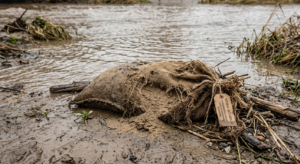
Jute Sandbags
- Made from natural plant fibers and breathable allowing drainage and air circulation 🌍
- Biodegrade naturally without leaving persistent plastic residues 🌱
- Do not generate microplastics as they decompose 🌾
- Support a circular, more sustainable lifecycle 💨
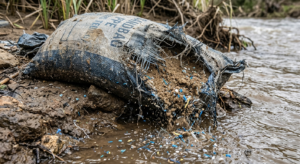
PPE Sandbags
- Made from petroleum-based plastics (polypropylene or polyethylene) 🛢️
- Frays, shreds, and breaks down into microplastics through weathering and mechanical wear🏭
- Plastic fragments can remain in the environment for decades 🚮
- Improper disposal or damage during use increases the risk of plastic pollution ⚡
When Jute Sandbag is the Better Choice
Choose jute sandbags when:
- Your organization has sustainability or ESG goals.
- The sandbags are intended for temporary use.
- You want to reduce plastic waste.
- You’re looking for an eco-friendly alternative for events, construction, erosion control, or landscaping.
When PPE Sandbag May Be More Suitable
PPE sandbags may still be preferable when:
- The bags need to withstand prolonged exposure to water and UV sunlight.
- Long-term durability is more important than biodegradability.
- They will be reused many times in harsh outdoor conditions.
Conclusion
If environmental responsibility is your priority, jute sandbags are the more sustainable option because they are made from a renewable natural fiber, biodegrade at the end of their life, reduce reliance on fossil-fuel-based plastics, and help minimize long-term environmental pollution.
While PPE sandbags generally last longer, that durability also means they can contribute to persistent plastic waste if not recovered and recycled.
Choose jute over plastic. While PPE sandbags can shred and contribute to persistent microplastic pollution, jute sandbags naturally decompose, helping protect our soil, waterways, and environment from long-lasting plastic residues.
Madi Decor is an affordable, reliable sustainable sandbagging provider based in Los Angeles and serving North America.