


Why Composting Matters for a Zero-Waste Home?
Composting is the central engine of a zero-waste home because organic waste accounts for 30% or more of typical household trash. Diverting food scraps and paper away from landfills creates a closed-loop system that converts everyday waste into valuable soil nutrients.
Core Benefits for Zero-Waste Living
- Prevents Methane Emissions: When organic matter breaks down in landfills without oxygen (anaerobic decomposition), it releases methane, a greenhouse gas over 28 times more potent than carbon dioxide. Composting uses oxygen to break down waste cleanly.
- Supports Circular Economy Principles: Instead of sending resources to a permanent grave in a landfill, composting returns essential nitrogen and carbon directly back to the earth.
How Composting Helps Reduce Household Waste?
- Drastically Reduces Trash Volume: Food scraps, coffee grounds, eggshells, and unbleached paper make up the heaviest portion of household waste. Composting these items instantly slashes household garbage output.
Composting and Healthier Garden Soil
- Enriches Soil Organically: Finished compost adds vital nutrients, improves soil moisture retention, and eliminates the need for synthetic chemical fertilizers in home gardens or house plants.
What Is Composting and How Does It Work?
Composting is essentially controlled aerobic decomposition: microorganisms break down organic material when they have the right combination of carbon (“browns”), nitrogen (“greens”), moisture, and oxygen.
It is a natural process of recycling organic matter like leaves, food scraps, and yard waste into a rich, dark soil conditioner often called “black gold.”
Instead of letting waste rot in an oxygen-deprived landfill, composting creates the ideal environment for microorganisms and insects to rapidly break down raw organic materials.
What Can You Put in a Home Compost Bin?
The Four Essentials of Good Compost: Nitrogen, Carbon, Water, and Oxygen
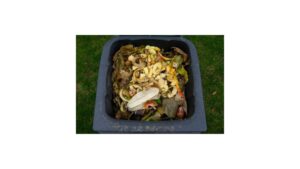
Everyday Kitchen Scraps You Can Compost
Greens — nitrogen-rich
- Fruit and vegetable scraps
- Coffee grounds and paper filters
- Grass clippings
- Fresh plant trimmings
- Crushed eggshells
- Tea bags without staples or plastic
Browns — carbon-rich
- Dry leaves
- Shredded cardboard
- Plain paper
- Paper bags
- Small twigs
- Untreated wood chips
- Dry plant material
Use at least 2–3 times as much brown material as green material by volume.
- Moisture (Water)
Microorganisms require moisture to move around, feed, and break down organic matter.
- The Ideal Balance: Your pile should feel like a wrung-out sponge damp to the touch, but yielding only a drop or two of water when squeezed tightly in your hand.
- Quick Fix: If it’s too dry, add a light spray of water or wet fruit scraps. If it’s too wet, toss in a generous handful of dry shredded cardboard or leaves.
- Oxygen (Air)
Aerobic bacteria need oxygen to digest organic material efficiently. Without sufficient air, anaerobic bacteria take over, slowing down the process and producing smelly greenhouse gases like methane.
What should NOT go into a compost pile?
For a typical home system, avoid:
- Meat and fish
- Bones
- Dairy
- Oils, fats and grease
- Pet waste or cat litter
- Diseased plants
- Herbicide-treated plants or grass
- Weeds or mature seeds
- Treated/painted wood
- Glossy paper
- Plastic
These materials can create odors, attract animals, or require the higher temperatures achieved by commercial composting systems.
What Healthy Compost Should Look and Smell Like?
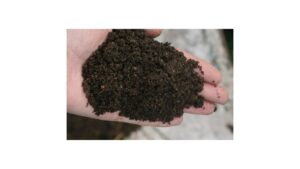
Healthy, finished compost should look, smell, and feel like rich, dark garden soil. It undergoes a complete transformation when it is ready to use, none of the original food scraps or yard waste should be recognizable.
Scent Profile
- Earthy Freshness: Healthy compost smells clean and earthy, like the floor of a damp forest floor after rain.
- Zero Foul Odors: It should never smell sour, rotten, or like ammonia/sewage. Bad smells mean the pile lacks air (anaerobic) or has too much nitrogen/moisture.
Moisture and Temperature
- Wrung-Out Sponge Feel: Squeezing a handful should feel damp to the touch, but it should not leak excess water between your fingers.
- Cool Core: Active compost piles are warm or hot in the middle, but fully cured, finished compost cools down completely to match room/outdoor temperature.
How to Use Finished Compost in Your Garden?
Finished compost acts as a slow-release organic fertilizer, structural soil conditioner, and moisture-retaining sponge all in one, transforming depleted earth into a thriving ecosystem for plants.
Top Methods for Applying Compost
- Top-Dressing Existing Beds: Spread a 1-to-2-inch layer of finished compost directly over the soil surface around established perennials, vegetables, or shrubs. Earthworms and rainwater will naturally work the nutrients down into the root zone without disturbing delicate plant roots.
- Planting Hole Amendment: When planting new trees, shrubs, or perennials, dig a hole twice as wide as the root ball. Mix equal parts excavated native soil and finished compost (a 1:1 ratio) to give young roots an immediate nutrient boost and loose structure to expand into.
- Container and Potting Mix Booster: Blend 1 part finished compost with 3 to 4 parts standard potting soil for potted plants or container gardens. This introduces beneficial microbes and enhances moisture retention in artificial potting mixes.
- Lawn Top-Dressing: Scatter a very thin layer (about 1/4 inch) evenly across your lawn using a rake or shovel, then water thoroughly. This encourages deep root growth, repairs bare spots, and naturally thickens turf.
How to Set Up a Composting System at Home?
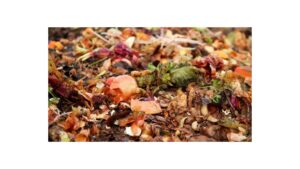
A simple daily composting system
For a typical household, here is an easy composting system.
Step 1: Set up a kitchen scrap container, dreating a Simple Kitchen Scrap Station
Keep a small container right next to where you prepare food.
Every day, put in:
vegetable scraps + fruit scraps + coffee grounds + eggshells
Keep the container on the counter or under the sink. Have a closed kitchen container for collecting food scraps.
The most important rule: make compost collection convenient enough that you don’t think about it.
Step 2: Create a permanent supply of browns
You will generate food scraps every day, but you may not generate enough dry leaves/cardboard every day.
Keep a brown-material storage area next to the compost bin.
Put in:
- Dry leaves
- Shredded cardboard
- Brown paper bags
- Plain paper
- Small dry branches
Then you always have carbon material available.
Step 3: Every day, add your kitchen scraps
At the end of the day or whenever your kitchen container is full:
- Take scraps outside.
- Dig a small hole or opening in the pile.
- Add the scraps.
- Cover them with several inches of browns.
- Close or cover the bin.
A 5-Minute Daily Composting System
Start Small and Compost Consistently
Your 5-minute daily routine
You can make the entire routine:
Morning
- Put coffee grounds/filter into compost container.
During food preparation
- Vegetable/fruit scraps → compost container.
- Remove stickers and packaging first.
After dinner
- Empty kitchen container if needed.
- Add scraps to compost.
- Cover with dry leaves/cardboard.
That’s it.
You don’t need to measure every scrap or build a perfect “lasagna” layer every day.
A mature compost pile should eventually become dark, loose, crumbly and earthy-smelling, with very little recognizable food or plant material remaining.
Your Simple Daily Composting Routine
Keep Your Composting Supplies Convenient
A quick, low-effort daily routine keeps your compost bin odor-free and turning waste into soil with minimal work.
Collect as You Cook: Keep a small countertop bin or caddy next to your cutting board. Drop in daily food scraps like coffee grounds, fruit peels, and vegetable trimmings.
Balance Greens with Browns: Every time you dump a container of wet “greens” (food scraps) into your main outdoor bin, immediately toss in a matching handful of dry “browns” (shredded cardboard, dry leaves, or wood shavings). This simple 1:1 habit stops bad odors before they start.
A Quick Aeration Check: Once a day or every couple of days, check the moisture when you drop off scraps. If it looks dry, add a splash of water; if it looks soaked or compressed, mix in extra dry cardboard.
Weekly compost routine
Once a week, spend about 10–15 minutes checking the pile.
Check 1: Moisture
Grab a handful.
- Very dry → add a little water.
- Very wet/muddy → add dry browns.
- Moist like a wrung-out sponge → perfect.
Check 2: Smell
- Earthy → good.
- Sour/rotten → add browns + turn.
- Ammonia-like → probably too much nitrogen → add browns.
Check 3: Air
Use a garden fork to loosen/mix the pile if it’s compacted.
Check 4: Ingredients
If you’re seeing lots of food scraps, add more leaves/cardboard.
A practical rule is:
When in doubt, add more browns.
The easiest system to remember
Think of composting as:
FOOD → BIN → BROWNS → AIR → MOISTURE → COMPOST
Or:
Every day: add scraps + cover with browns
Every week: check moisture + turn if necessary
Every few months: harvest finished compost
A useful “compost decision” rule
When you’re standing in the kitchen wondering “Can I compost this?”, ask:
Is it organic?
Yes.
Is it a safe material for my type of composting?
True: Compost it.
Untrue.
Put it in the appropriate trash stream rather than contaminating your compost.
Make Composting a Family Habit
Turning composting into a daily family habit is one of the easiest ways to teach children about sustainability, science, and the circular economy. When everyone in the household plays a role, waste reduction becomes second nature rather than a chore.
Common Home Composting Questions
Frequently Asked Questions About Composting
Does compost smell?
A healthy compost pile should smell earthy, not rotten.
A bad smell usually means the pile is too wet or doesn’t have enough oxygen. The quickest fix is to add dry leaves, shredded cardboard or other browns and mix the pile to introduce air.
Do I need a special compost bin?
No.
You can use:
- An open pile
- Wire-mesh bin
- Wooden bin
- Enclosed compost bin
- Compost tumbler
- Worm/vermicomposting bin
For most beginners with a yard, a simple ventilated bin is better than an expensive tumbler. The important thing is airflow, drainage, and convenient access.
How wet should compost be?
Think “wrung-out sponge.”
It should be moist but not dripping wet. Too little moisture slows decomposition; too much water removes air and can create anaerobic odors.
Do I have to turn compost every day?
No.
You don’t need to obsess over it. Turning or mixing periodically introduces oxygen and can accelerate decomposition. If the pile smells bad or isn’t breaking down, that’s a good signal to turn it and add browns.
How long does compost take?
A well-managed backyard pile can produce usable compost in roughly 3–5 months. An unattended pile can take considerably longer. Once active decomposition has finished, the compost should be allowed to cure for at least several weeks.
How Much Food Waste Can Be Composted?
In a standard household, approximately 60% to 90% of all food waste can be composted. The exact amount depends on the type of composting system you use at home.
Why Build a Zero-Waste Composting Habit?
Composting is more than just a waste-management tactic. It is a fundamental shift toward an intentional, circular lifestyle. By turning everyday kitchen scraps and paper products into a nutrient-rich resource, you directly prevent landfill emissions, restore soil health, and significantly lighten your home’s environmental footprint. Building a simple daily habit today transforms routine kitchen cleanup into a powerful, lasting contribution to a zero-waste future.
Conclusion
By incorporating composting into your everyday household rhythm, you transform a daily chore into an effortless, closed-loop habit. A zero waste home isn’t built on drastic overhauls, but on consistent, small choices like turning today’s coffee grounds and dinner prep into tomorrow’s nutrient-dense soil. Starting your simple daily system today instantly cuts your household trash in half, slashes landfill emissions, and puts the power of a sustainable future directly into your hands.
Check with Madi Decor, based in USA, for composting at home needs.